Choosing between a heat pump and a furnace is one of the biggest comfort decisions a homeowner makes. Both deliver reliable warmth, but they do it through fundamentally different technology — and the right pick depends on your climate, your home's infrastructure, and your long-term efficiency goals.
In this guide, we break down the heat pump vs. furnace debate so you can make a confident, informed decision for your home.
How a Furnace Works
A furnace generates heat by burning fuel — natural gas, propane, or oil — or by using electric resistance. That heat warms a heat exchanger, and a blower pushes the warmed air through your ductwork and into your living spaces.
Furnaces are powerful, reliable, and excel in deeply cold climates. Modern condensing furnaces reach up to 98% AFUE (Annual Fuel Utilization Efficiency), meaning nearly all the fuel you pay for becomes usable heat. The rest exits as exhaust.
Key strengths of a furnace:
- Fast, powerful heat output even in extreme cold
- Lower upfront equipment cost than a comparable heat pump
- Familiar technology with decades of reliability
- Works with existing ductwork in most homes
How a Heat Pump Works
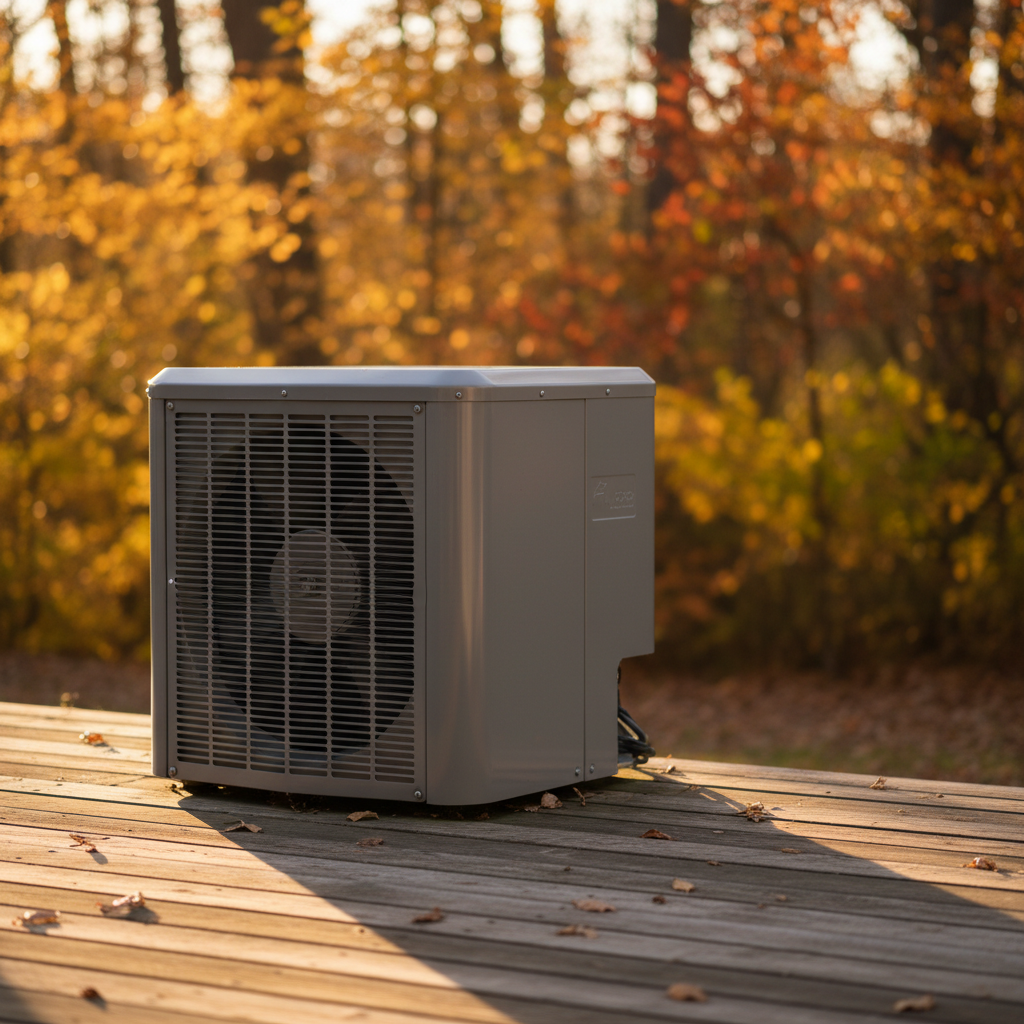
A heat pump doesn't create heat — it moves it. Even in winter, there's thermal energy in the outdoor air. The pump captures that energy with refrigerant and transfers it inside to warm your home. In summer, the cycle reverses and it acts as an air conditioner.
Because it moves heat rather than generating it, a heat pump can deliver 2 to 3 units of heat for every unit of electricity it consumes. That efficiency advantage is why heat pumps have become the fastest-growing heating technology in North America.
Key strengths of a heat pump:
- One system provides both heating and cooling
- 2–3x more efficient than electric resistance heating
- No combustion, no carbon monoxide risk, no gas line needed
- Compatible with smart thermostat optimization
Heat Pump vs. Furnace: Side-by-Side Comparison
| Factor | Furnace | Heat Pump | |--------|---------|-----------| | Efficiency | 80–98% AFUE | Up to 300%+ COP | | Lifespan | 15–20 years | 10–15 years | | Upfront cost | Lower | Higher | | Climate fit | Any climate | Best above 10°F | | Cooling | Needs separate AC | Built-in | | Fuel | Gas, oil, or electric | Electricity |
Which Is Better for North Texas?
Here in the Dallas–Fort Worth area, a heat pump is an excellent fit. Our winters are mild enough that the pump rarely struggles, and it doubles as your air conditioner in summer — one system, year-round comfort.
In northern climates where temperatures regularly drop below freezing for days at a time, a furnace (or a dual-fuel system that pairs both) often makes more sense. Dual-fuel setups use the heat pump during mild weather and switch to the furnace when temperatures plummet, giving you the best efficiency of both technologies.
Cost Comparison: Heat Pump vs. Furnace
Cost-wise, heat pumps typically cost more upfront but save on monthly energy bills. Furnaces are cheaper to install but only serve half the year — you'll still need a separate air conditioner.
If you're replacing both your AC and heater, a heat pump often wins on total cost of ownership because you're buying one system instead of two. Factor in:
- Equipment cost — heat pump is higher
- Installation labor — similar, slightly higher for heat pump
- Operating cost — heat pump is lower in mild climates
- Maintenance — heat pump serves double duty, so one tune-up covers both seasons
Energy Efficiency and Environmental Impact
Heat pumps win decisively on efficiency. A high-efficiency furnace converts at most 98% of its fuel to heat. A heat pump can deliver 300% or more — because it's moving heat, not creating it.
If your electricity comes from renewable sources, a heat pump can effectively heat your home with near-zero carbon emissions. Even on a standard grid, the EPA and DOE both recognize heat pumps as among the most environmentally friendly heating options available.
Lifespan and Maintenance Considerations
Furnaces generally last 15 to 20 years because they only operate for a few months each year. Heat pumps run year-round — heating in winter, cooling in summer — so they typically last 10 to 15 years with proper care.
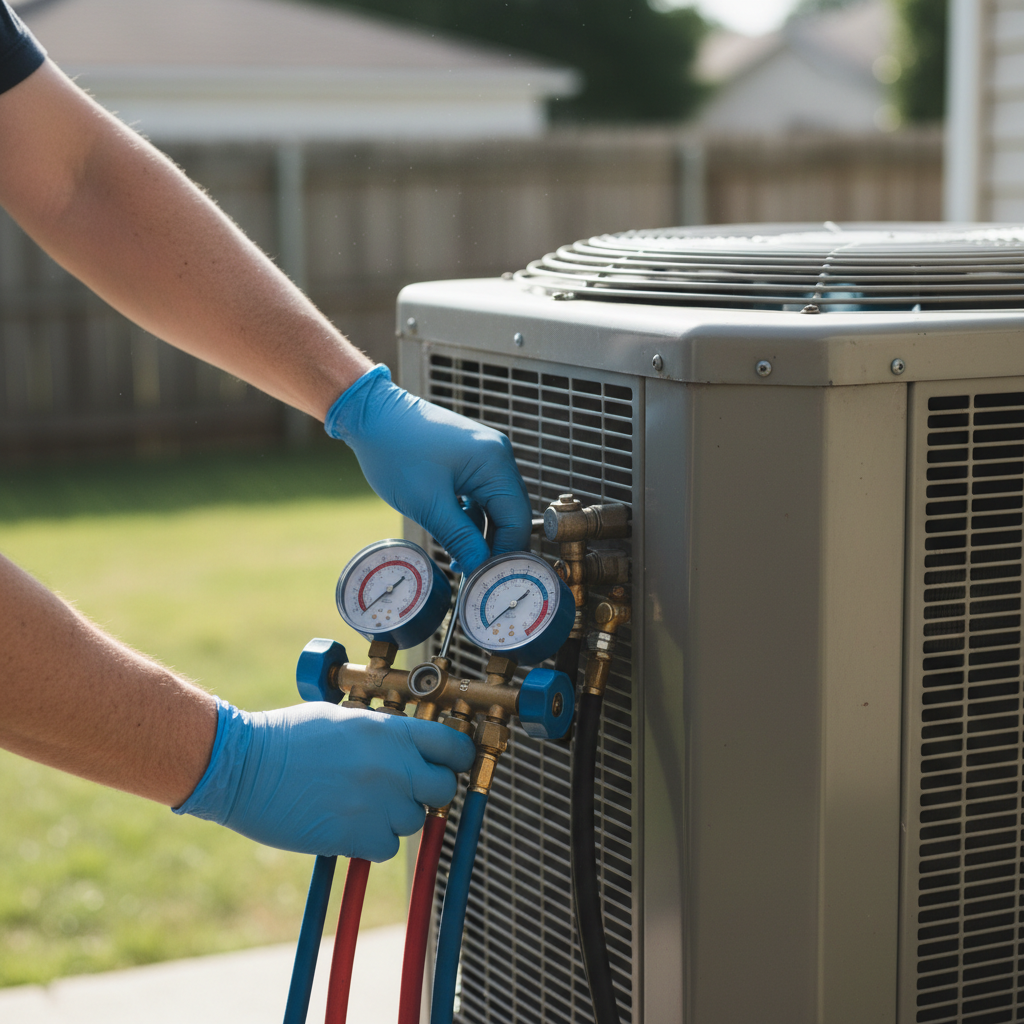
That year-round duty also means heat pumps benefit even more from preventive maintenance. A bi-annual tune-up keeps refrigerant levels correct, coils clean, and electrical connections tight.
Making the Decision: Questions to Ask Yourself
- What's my winter climate? Mild → heat pump. Extreme → furnace or dual-fuel.
- Am I replacing one system or both? Both → heat pump often wins.
- Is natural gas available? If not, a heat pump avoids the cost of running a gas line.
- Do I want one system or two? Heat pump = one. Furnace = furnace + AC.
- What's my budget today vs. long-term? Furnace = lower upfront. Heat pump = lower operating cost.
The Verdict
There's no universal answer — but there's a right answer for your home. A proper load calculation and a conversation about your priorities will point the way. We're happy to walk you through it with zero pressure. Book a free estimate and we'll help you choose with confidence.